

Quick Answer:
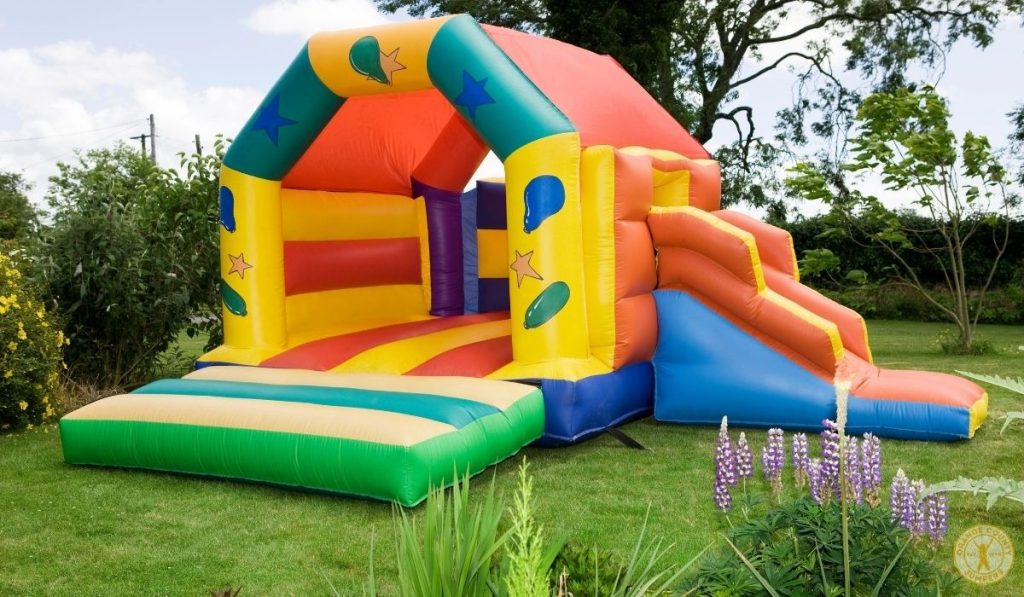
A blower runs nonstop, pushing air inside the unit so internal pressure builds and keeps the castle inflated. The constant flow of air maintains stable air pressure, even while kids are jumping. That steady stream of air keeps the structure firm, safe, and fully inflated the entire time.
The global bounce house market is set to hit $4.65 billion in 2026. Millions of American families now use inflatable bounce houses for healthy, high-energy physical activity. That’s a lot of bouncy castles, kids, and fun.
But do you know exactly how does a bounce house work in Orange County behind the scenes? From our experience at Orange County Jumpers, most parents just assume “air goes in and it stays up.” The reality is smarter and safer than you think.
This article breaks down the simple science of air pressure, constant airflow, and smart design. You’ll learn why these inflatable structures are safe for your next birthday party and so easily accessible for backyard fun. We recently covered the world’s largest bounce house in another post. Next up, we’ll explain what is a bounce house made of. And for even more quick facts, check our bounce house facts post.
Short Summary
- Start planning your kids’ birthday party eight weeks ahead with a clear to-do list and party theme.
- Book bounce houses and entertainment early as the most important element.
- Send invitations in four weeks, finalize food, and handle decorations two weeks out.
- Use our birthday party checklist for final confirmations one weA bounce house stays firm thanks to a blower that provides a constant flow of air to maintain proper internal pressure.
- Controlled air escape through seams and holes prevents overinflation and keeps the unit safe.
- Proper inflation, correct surface setup, and regular maintenance create a safe environment for kids.
- Good care and smart operation deliver better bounce and longer life for every inflatable structure.
How Does a Bounce House Work? Constant Air Flow Explained
Every parent asks at some point, “How do bounce houses work when multiple kids start jumping at once?” It all comes down to controlled airflow, steady pressure, and a smart internal design.
The Role of the Blower
The blower is the engine behind every inflatable setup. High-output air pumps push a continuous stream of air into the unit, creating a constant flow that keeps everything upright.
From our setups across Orange County, we’ve seen what happens when airflow drops. The structure softens fast. That’s why we always double-check power sources before guests arrive (yes, even backup circuits matter).
A strong blower keeps a consistent level of air moving, ensuring the unit stays fully inflated during heavy use.

Understanding Air Pressure Dynamics
Inside the inflatable, air pressure inside must stay slightly higher than the outside environment. That difference in internal pressure is what gives the bounce house its firmness.
Think of it like this: when several kids jump at once, weight increases instantly. The system compensates by maintaining pressure through constant airflow.
We often explain it to parents this way: If the unit ever feels soft, pressure likely dropped. That’s a signal to pause and check the blower immediately.
The Fun Starts Here!
How the Structure Holds Its Shape
The real secret sits inside the inflatable structure. Internal fabric walls, called baffles, help the structure’s shape stay intact.
These compartments distribute air evenly, allowing the unit to maintain its form even when multiple children bounce at the same time. Without that design, the structure would collapse under uneven force.
Commercial units are engineered to hold shape under stress. That’s why a properly set up castle inflated correctly feels firm and stable from edge to edge.
Why a Bounce House Doesn’t Pop: Air Pressure & Escape System
A common concern we hear is simple: why doesn’t it burst under pressure? The answer comes down to controlled airflow and smart material design.
Breathable Seams and Tiny Holes
Every inflatable includes tiny holes along seams. These allow air to escape continuously, which prevents dangerous buildup.
Mind you, these units are never airtight. That steady release of excess air keeps pressure balanced and safe during use.
From experience, when someone patches those seams incorrectly, problems start. Airflow gets restricted, and pressure becomes uneven.
Pressure Regulation in Action
The system works because input matches output. The blower pushes air in while small openings allow air out, creating real-time pressure regulation.
This balance ensures the internal pressure never spikes too high. It also keeps the air inside fresh and circulating.
We’ve tested this during busy events. Even with a full group inside, the airflow system adjusts instantly and keeps everything stable.
Durable Materials That Withstand Stress
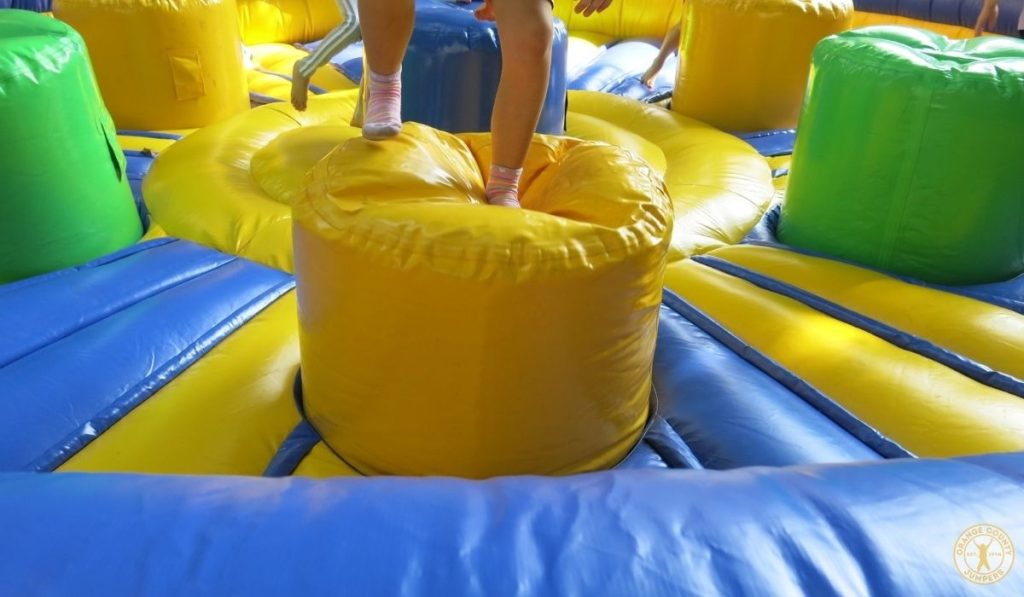
Commercial-grade units use heavy-duty PVC, a durable material built for repeated impact. Unlike thin retail versions, commercial bounce houses include reinforced stitching and additional strength in high-stress zones.
Areas like entrances and jumping surfaces take the most force. That’s why they use thicker material and layered construction.
You’ll see the same durability in larger units like inflatable slides or an obstacle course. These designs handle more weight, more movement, and more energy without failure.
At the end of the day, the combination of airflow, escape design, and strong materials is what keeps these houses safe and reliable.
Engineering a Safe Environment for Every Birthday Party
A great setup turns a simple rental into a safe environment where everyone enjoys the day. These are the key areas we focus on during real events.
Surface Setup: Grass vs Hard Ground
Ground type changes everything. On grass, we secure units with steel stakes driven deep to prevent shifting during bouncing.
Hard surfaces like tennis courts or concrete need sandbags. We often use 40 lb bags at each anchor point to ensure safety. One example: a school event used asphalt, and proper weighting kept the unit stable even with active kids.
Quick tip:
- Grass = stakes
- Concrete = sandbags
That small detail reduces injuries caused by movement.
The Importance of Proper Inflation
A unit must stay fully inflated for safe use. Low air levels increase risk of a hard fall or awkward landings.
When proper inflation drops, the floor loses rebound strength. That leads to poor support when children jump or land. We’ve seen softer units cause ankle twists during busy parties.
A simple check helps: press the wall. It should feel firm, not saggy. That keeps safety features working as designed.
Operator Responsibility & Crowd Control
Supervision plays a crucial role in event safety. One adult watching entry and exit helps manage multiple children at once.
We suggest grouping by size or age. Mixing adults and small kids raises risk during active play. A parent once asked, “Can ten kids jump together?” The answer depends on unit size and weight limits.
Overcrowding often leads to bumps and injuries. So, having simple limits creates a smoother, more enjoyable experience.
2026 Safety Standards and Guidelines
Modern rentals follow updated safety guidelines like ASTM F2374-22. These standards define anchoring, materials, and setup rules for a safe environment.
Professional crews follow these steps every time (it becomes second nature). Each checklist step supports overall safety and builds trust with families.
As the unofficial motto of every parent states, “An ounce of prevention is worth a pound of cure.” That mindset guides every setup we complete, ensuring a smooth and fun experience for every birthday party.
Maintenance and Longevity: Keeping the Bounce Alive
Reliable equipment makes a big difference. Strong upkeep keeps units safe, responsive, and ready for the next event.
Regular Maintenance and Inspections
Every unit goes through regular maintenance before and after rentals. We clean surfaces, inspect seams, and test airflow to maintain proper performance.
Blowers get checked for debris that could restrict air inside flow. A blocked intake reduces pressure and weakens bounce quality.
Example from experience: a quick seam repair avoided a full unit replacement. That’s why proper maintenance matters in any rental business.
Water-Based Inflatables Explained
Inflatable water slides handle more stress than dry units. Added weight from water changes internal pressure and surface traction.
These units use thicker material and reinforced seams to handle flow and impact. A typical setup places the slide in a single area with proper drainage.
We always monitor water flow levels. Too much water affects grip and reduces control during physical activity.
Why Maintenance Impacts Performance
Well-maintained units deliver better bounce and a safer ride. Keeping equipment in excellent condition protects users and extends lifespan.
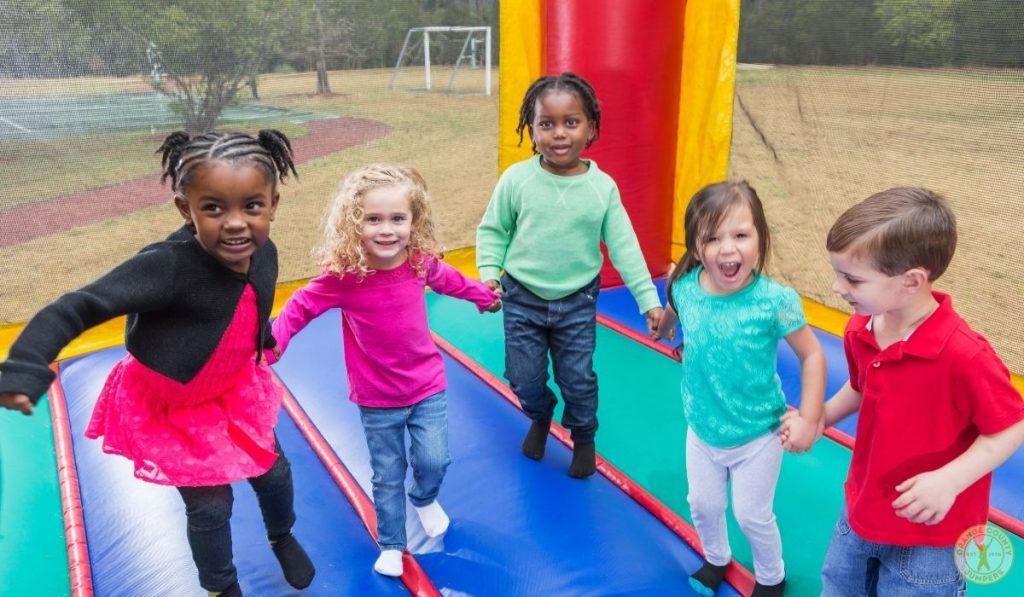
Guests notice the difference right away. A firm surface adds to the fun and brings out that sense of sheer joy during play.
In simple terms, better care leads to better performance. That keeps every event running smoothly.
Key Takeaways
- A bounce house relies on constant flow to maintain structure and support
- Balanced air pressure keeps the inflatable firm and stable during use
- Proper setup ensures a safe environment for all participants
- Consistent proper inflation reduces risk and improves bounce quality
- Good maintenance protects the structure and extends lifespan
- Focus on these essentials to ensure safety and deliver a smooth experience every time.
Final Thoughts
A great bounce house brings real fun to any birthday party, and it works best when safety stays front and center. Clean setups, solid airflow, and proper supervision turn inflatable bounce houses into a safe environment where kids can play with confidence. That’s how a simple bouncy house becomes an enjoyable experience for everyone.
At Orange County Jumpers, every unit is kept in excellent condition and set up with care. Our rental business focuses on reliability, so events stay stress-free and smooth.
Ready to plan something fun? Visit homepage. We’d love to help make your day easier.